Ideal Synthetic Roof Coverings for Ice Dams, Wind, and Seasonal Temperature Swings
A roofing system that does well in a mild environment can battle badly when winter season ice, springtime gusts, and sharp temperature swings go into the photo. That gap ends up being noticeable in places like north Illinois, where a roofing might see subzero cold in January, hailstorm in April, humid warm in July, and solid wind occasions practically any time of year. Under those problems, material option matters even more than visual appeal alone.
That is where artificial roofs have actually gained actual focus. The most effective items in this classification are not simply trying to mimic slate, cedar, or shake. They are crafted to address functional problems that all-natural products and some standard roof covering products often produce. A well-made synthetic roof covering can offer impact resistance, lighter weight, far better dimensional stability, and much more consistent installation details throughout complex rooflines. For house owners handling ice dams, repeated freeze-thaw cycles, or direct exposure to high winds, those strengths are more than marketing duplicate. They can suggest less repair services, less water breach threat, and a longer service life.
Not every synthetic product should have the same self-confidence, though. Some are outstanding. Some look eye-catching from the street but disclose weaknesses after a couple of severe winters. If you are thinking about building artificial roof covering or planning a full artificial roof covering replacement, it assists to recognize what divides a sturdy system from a costly disappointment.
What climate stress actually does to a roof
Ice dams, wind uplift, and temperature level activity strike a roofing system in various ways, yet they usually appear together. A residence loses heat into the attic, snow on the roofing melts, water goes to the colder eaves, after that refreezes. That ridge of ice obstructs drainage and presses water back uphill below the roof. If the roof system is improperly detailed, leakages follow.
Wind develops a different failing pattern. It does not require to detach half the roof covering in one occasion to trigger damage. Repetitive uplift pressure at edges, ridges, valleys, and exposed edges can loosen up elements gradually. Bolts back out. Sticky bonds weaken. Tabs or sides begin to curl or babble. When one section opens, the next storm has a tendency to make it worse.
Temperature swings are quieter however relentless. Products broaden in summer season warm and contract in wintertime cold. In climates with vast seasonal variation, that activity repeats year after year. Brittle items crack. Low-grade polymers can warp or exhaustion. Flashings separate where they need to stay limited. What looks perfect after installment may not look nearly as sound after five or 10 years of thermal cycling.
This is why costs synthetic roof needs to be judged as a system, not simply a surface material. The field items issue, however so do ridge details, underlayment, ventilation, ice and water security, fastening patterns, and the skill of the synthetic professional roofer. On premium homes specifically, where roofing geometry is usually more intricate, the weak point is seldom simply the roof shingles itself.
Why synthetic roof covering has come to be such a solid option
Traditional slate is lovely and exceptionally resilient, yet it is heavy, costly to install, and requiring on the structure beneath it. Cedar shake deals personality, but in tough climates it requires attention and can become prone to splitting, moisture retention, and aging troubles. Asphalt continues to be usual permanently reason, yet even quality laminated tiles can have a hard time when property owners want the look of all-natural materials plus greater influence resistance and less weight.
Synthetic roof being in a useful middle ground. The most effective ones are built from advanced polymers, composite blends, or engineered materials that imitate slate or shake surprisingly well. Extra significantly, they are designed for consistency. Natural products differ item to piece. Good synthetics do not. That makes layout extra predictable, setup extra controlled, and https://angeloxlvo927.laurelcurrent.com/posts/why-employ-an-artificial-professional-roofer-chicagoland-homeowners-count-on performance much less based on the luck of the pallet.
From a contractor's point of view, one of the most significant advantages is weight. A synthetic slate roof covering can usually provide the look of quarried slate without placing the exact same architectural concern on the home. That opens the door for synthetic roofing for high-end homes where proprietors want a polished appearance without enhancing framing throughout your house. It also simplifies lots of artificial roof covering replacement tasks, especially when an older home was never ever constructed for the dead tons of actual slate or tile.
The much better items also take care of influence and activity a lot more beautifully. In practical terms, that suggests less busted items from foot traffic, hail storm, or shifting temperatures. I have actually seen roofings where breakable products looked penalty from the driveway however split around bolts after a collection of cold snaps. Great synthetic roofing tiles are generally more flexible, offered the product is rated well and set up correctly.
The functions that matter most in ice dam country
If ice dams become part of your winters, appearance must not be your initial filter. The roofing system has to shed water, tolerate back-up, and preserve tight information at susceptible points.
The first thing to consider is the product's capacity to stay dimensionally stable in winter. Some lower-end synthetics can become stiffer and less resistant when temperatures go down. That does not immediately mean failure, but it can enhance the chance of breaking under stress and anxiety, specifically near fastening points or where installers overdrive nails. Better materials continue to be challenging without coming to be brittle.
The 2nd issue is surface area style. Not all accounts lost snow and water similarly. Deeply distinctive artificial shake items can be attractive, yet if the design catches snow erratically or creates much more interruption to drain, outlining becomes even more crucial. In locations prone to ice formation, I have a tendency to prefer systems with a strong record of water losing and accessory parts that integrate easily at valleys, eaves, and sidewalls.
The 3rd problem is what occurs underneath the noticeable roof. Ice dams reveal every shortcut in underlayment choice. Even the most effective synthetic roof coverings require durable ice and water membrane in the best areas. Along eaves alone is not constantly sufficient. Roof-to-wall crossways, valleys, infiltrations, and low-slope shifts typically should have extra focus. A seasoned synthetic roofer Chicagoland homeowners trust will normally speak more regarding these details than regarding shade examples, and that is a good sign.
Ventilation also matters, though it is often oversimplified. Home owners are often told that better air flow alone will certainly stop ice dams. Actually, the issue is usually a mix of attic room warm loss, air leak, insulation gaps, roofing system geometry, and weather conditions. Ventilation helps manage roof deck temperature, however it is not a magic bullet. A great roof approach addresses the assembly as a whole.
Wind efficiency has to do with design and setup together
Many roof covering brochures highlight wind rankings, but those numbers need context. Laboratory testing issues, yet area efficiency relies on direct exposure, roofing system shape, securing precision, and side describing. An item rated for high wind can still underperform on a home with long open bring, steep gables, and poorly safeguarded starter courses.
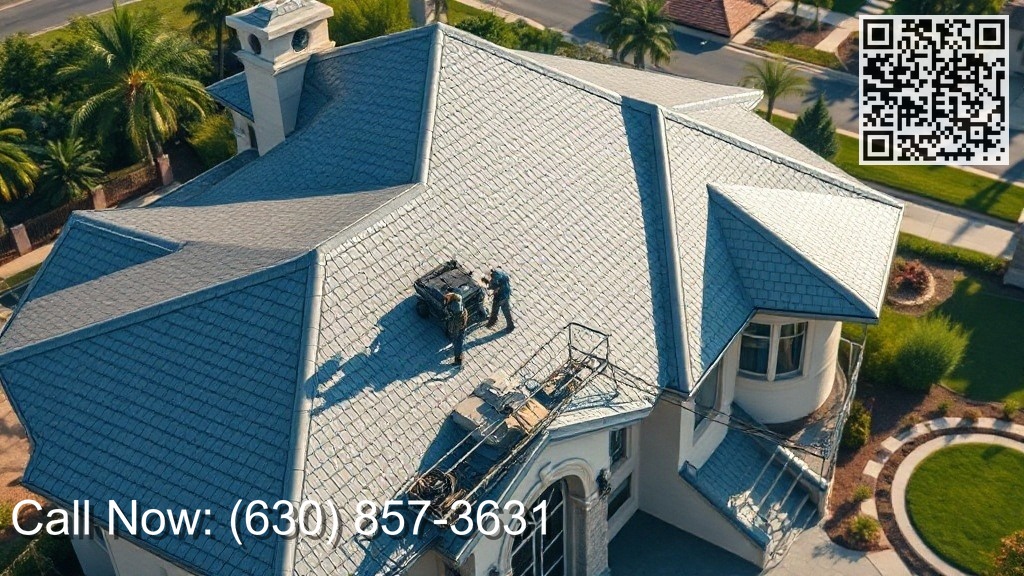
Synthetic items usually have an advantage here due to the fact that they are lighter than slate or floor tile and can be engineered with interlocking or high-securement designs. Some artificial roofing roof shingles withstand uplift quite possibly when set up to requirements. That phrase issues, because wind failings regularly map back to small misses, not disastrous oversights. Fasteners placed expensive, as well couple of nails per item, skipped seal points, or badly integrated ridge elements can all create weak links.
In locations around Chicago, these details matter more than many house owners recognize. Strong storm fronts can generate stress adjustments that evaluate every susceptible edge. On bigger custom-made homes, I usually pay close attention to the rake information, hip and ridge attachment, and exactly how the roofing transitions onto porches, dormers, and turret-like attributes. These are the locations where wind begins to pick at a roof.
This is one reason experienced synthetic roofing system installers deserve choosing. A staff that mostly mounts conventional asphalt might be excellent in its lane, yet artificial systems commonly need a various rhythm and tighter familiarity with manufacturer-specific details. That does not suggest the task should be challenging. It does indicate that accuracy matters.
Seasonal temperature level swings expose the difference between decent and excellent materials
A roof covering in the Midwest can go from below no in winter to well over 140 levels at the surface under summer sunlight. Products increase and contract across that complete range. If the polymer mix, reinforcement, and attaching style are unqualified the job, age turns up quicker than expected.
The best premium synthetic roofing products are developed to handle repeated thermal movement without losing form or sturdiness. They stand up to curling, splitting, and surface exhaustion far better than bargain choices. This is specifically crucial on darker colors, south-facing inclines, and steep roof covering airplanes that see extreme sun exposure in summer season and sharp nighttime cooling.
One practical idea is just how a product has carried out over time in climates comparable to your own. A synthetic roof business with years of neighborhood experience need to be able to talk candidly about which items have held shade, stayed flat, and withstood cold-weather fracturing. They may not share a spreadsheet of every callback, yet they normally know which lines have actually earned trust and which ones have actually developed headaches.
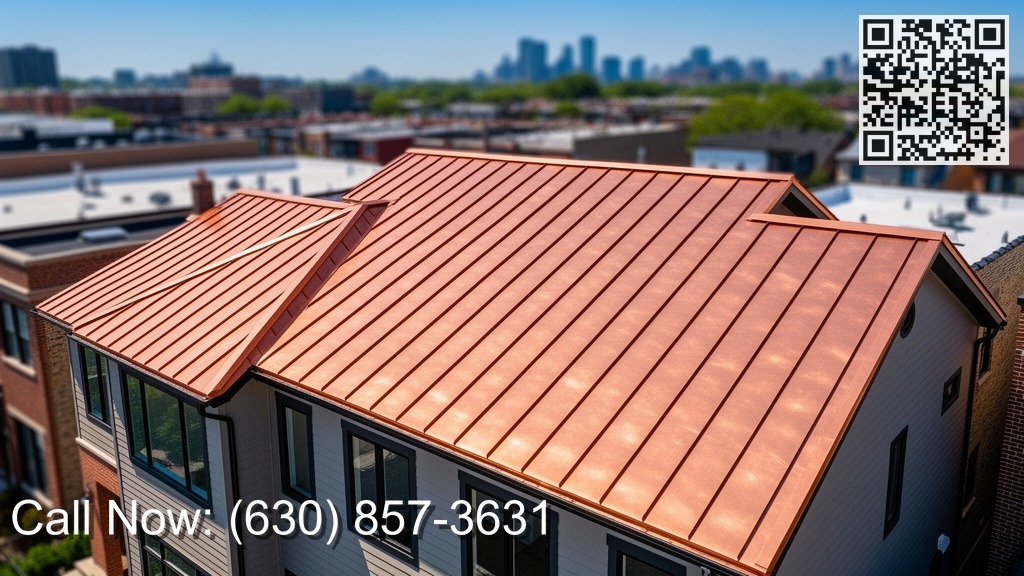
For home owners taking into consideration artificial roof Chicago jobs, or considering artificial roofing Naperville IL, neighborhood environment background matters greater than a shiny nationwide pamphlet. A product that carries out wonderfully in a milder seaside climate might not confirm itself the same way after 10 Chicagoland winters.
Synthetic slate versus artificial shake
This contrast comes up frequently, especially in communities with higher-end architecture. Both groups can execute well, but they produce slightly various risk accounts and visual effects.
Synthetic slate generally uses a cleaner water-shedding profile and a more formal look. On homes with rock, brick, or traditional building lines, it typically looks ideal and restrained. Since the profile is normally flatter than a hand-split shake look, some synthetic slate systems are a little less complicated to information in water-sensitive areas. That can be a benefit where ice dam direct exposure is a repeating concern.
Synthetic shake tends to offer even more structure and darkness lines. It can look exceptional on transitional, French country, lake-style, or craftsman-inspired homes. The better products are persuading from curb range and still appealing up close. But larger texture and thicker accounts position even more stress on the installer to obtain spacing, positioning, exposure, and accessory assimilation precisely right. Water administration is still extremely achievable, however it demands careful execution.
For artificial roof covering for high-end homes, the choice typically boils down to building fit initially, after that product pedigree, then installer experience keeping that particular system. The safest path is seldom picking the most remarkable account. It is choosing the item whose appearance fits the house and whose long-lasting actions is well understood.
What separates premium products from the rest
There is no single examination that informs the whole tale, however in technique I search for a combination of material top quality, accessory efficiency, assistance from the supplier, and a sensible performance record.
A premium synthetic roof covering product usually reveals its high quality in subtler ways. The sides correspond. The shaped appearance looks willful, not recurring and plastic. The pieces really feel durable in hand without being overly rigid. Shade blending is controlled as opposed to blotchy. Probably most important, the full system is analyzed. Ridge caps, starter parts, hip details, and ventilation compatibility are not afterthoughts.
Cheaper products usually expose themselves during setup. The cuts might battle royal or chip much more conveniently. Thickness can vary. Fastener zones might not feel as robust. Design can end up being fussy due to the fact that the manufacturing resistances are looser. On a straightforward shed roof, possibly that is convenient. On a complex customized home, those disparities have a tendency to compound.
That is why a domestic synthetic roofing conversation need to include both product and labor at the very same time. Conserving money on product just to invest extra on repairs or an early artificial roof covering replacement is rarely a bargain.
Installation decisions that matter greater than property owners expect
Most roof failures are not dramatic material failings. They are assembly failings. A house owner might assume the synthetic roof shingles are to blame, when the actual leakage came from a rushed valley detail, poor membrane insurance coverage, inadequate flashing integration, or poor air flow planning.
A successful artificial roof setup typically begins with the tear-off stage and deck assessment. Older homes commonly have actually hidden deck damages, missed sheathing repairs, or irregular aircrafts that affect the finished appearance. Artificial materials can disguise some blemishes, however not all. On high-visibility roof coverings, surface area flatness matters.
Fastener choice matters too. So does how those bolts are driven. Overdriven bolts can compromise attachment. Underdriven bolts can hold items off the deck and develop stress points. With some systems, the manufacturer's setup pattern is not a suggestion. It is main to the wind and service warranty performance.
Flashing steel deserves much more respect than it commonly obtains. Roofing contractors in some cases focus on the primary field and treat metalwork as history carpentry. But on roofs handling snow and freeze-thaw biking, steel at valleys, chimneys, skylights, and wall surface crossways often figures out whether the assembly stays dry.
For that reason, when selecting an artificial professional roofer, I listen carefully to just how they speak about information. If the whole conversation fixate the visible product, with little conversation of membrane layers, flashings, air flow, and attic problems, that is not enough.
Questions worth asking before you pick a system
A great sales conversation should leave you much better notified, not simply reassured. The best contractor should be able to clarify why a provided artificial roofing system fits your house, your environment direct exposure, and your budget.
Here are a few inquiries that usually expose whether you are dealing with an experienced synthetic roof covering company:
- How has this details product performed in your area with multiple wintertimes and summer warmth cycles?
- What is your plan for ice and water membrane layer protection past the fundamental eaves?
- How do you handle ridge, valley, and wall blinking information on complicated rooflines?
- Who on your crew has straight experience with this maker's system?
- What conditions would certainly make you suggest a various artificial product, or a various roofing product altogether?
Those solutions must seem particular. Unclear confidence is easy. Useful confidence features details.
Where artificial roof covering makes one of the most sense
Synthetic roofing is not instantly the ideal answer for every home. On an extremely straightforward home where budget plan is the main worry, a top notch asphalt roofing might still make more financial sense. If a home owner wants true all-natural slate and the structure can support it, natural stone continues to be an exceptional roof covering material.
But synthetic roofing systems are typically the wonderful area when a property owner wants raised appearance, lower structural burden, strong weather condition performance, and minimized upkeep compared to some all-natural materials. They are especially compelling on homes with complicated style, larger roof covering locations, or neighborhoods where aesthetic personality matters.
I see the strongest situation for synthetic roofs in houses revealed to reoccuring freeze-thaw cycles, recurring hailstorm, and gusty tornados, precisely the type of pattern common in Chicagoland. That is why look for artificial roof Chicago or artificial roofing Naperville IL continue to rise. Homeowners are looking for something a lot more resilient than a fundamental roof, yet much more functional than the weight and expense of traditional slate or tile.
The real value remains in fewer weak points
When house owners ask for the most effective roofing for ice dams, wind, and seasonal temperature level swings, they are usually wishing for a miracle item. There is no miracle product. There are only systems that minimize powerlessness better than others.
The ideal artificial roof coverings do that well. They incorporate a sturdy, steady roof covering material with thoughtful layout, strong accessory elements, and disciplined installment. They can deliver the look of slate or cedar without many of the drawbacks that natural materials give rough environments. They can also outperform assumptions when they are coupled with proper attic insulation, air sealing, ventilation, and flashing work.
If you are examining building synthetic roof for your home, focus less on the sales pitch and even more on the roofing's likely actions over fifteen or twenty wintertimes. Ask exactly how it handles backed-up water. Ask what happens at the sides in solid wind. Ask exactly how the material reacts to repeated temperature swings. Ask to see nearby work that are no more brand name new.
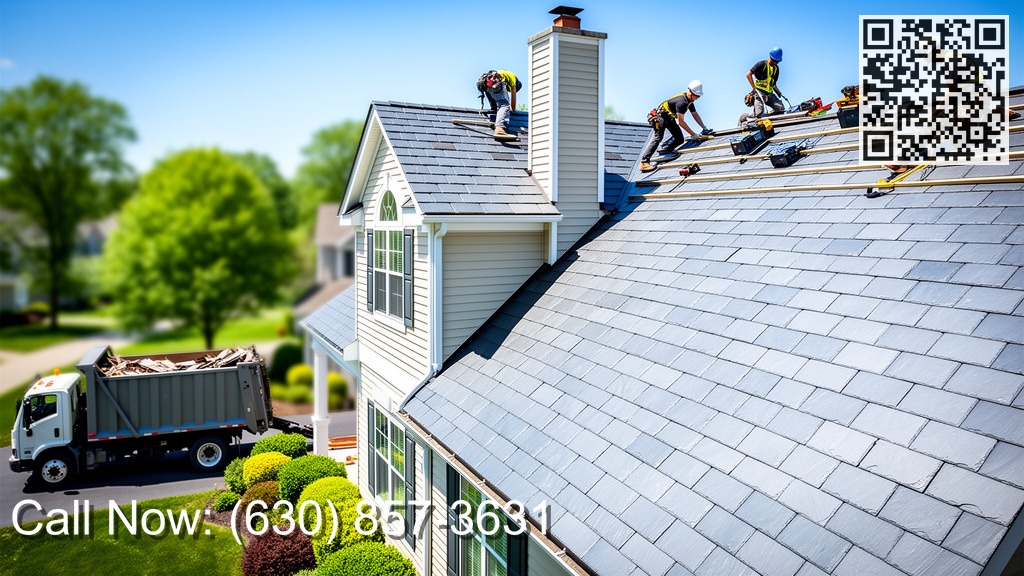
That is where the greatest products and the best contractors separate themselves. Not in the showroom, but on actual homes, after genuine weather condition, with nothing left to hide.
When Quality Matters
Salvo Architectural Roofing Contractors
566 West 5th Ave Naperville, IL 60563
(630) 857-3631
[email protected]
 Ask ChatGPT
 Ask Grok
 Ask Perplexity
 Ask Claude
 Ask Google AI
 Ask You
Ends · MYLESOJWN860